

What Increases Your Home Value in the Phoenix Metro Area?
1. What’s Worth More…Mountain views Or City Views?
We’ve all seen the aerial photos taken from a drone’s point of view. The drone is 300 feet in the air, showing off a view that no homeowner will ever see from their backyard.
Or the squint and see views. The ones realtors have to point out during the tour. “If you look far enough in the distance from your laundry room window while wearing heels, you can see it. Can’t you spot Camelback?”
Not every view adds significant value. If the mountain is miles away or the view is shared by nearly every home in the neighborhood, it may have little impact on what a buyer is willing to pay.
Anyone who has lived in Arizona for more than a year knows that some mountains are prettier than others. A prominent view of Camelback, the McDowell Mountains, South Mountain, Piestewa Peak, or the Superstition Mountains can be more marketable than a mound of dirt with a cell tower on top.
The same goes for city views. A view filled with rooftops, power lines, or an industrial warehouse typically won’t carry the same appeal, or value, as an elevated, unobstructed view of the Phoenix skyline.
What if the mountain is majestic and widespread? And the city view is elevated and impressive? What will hold more value, the city view or mountain view?
It’s personal preference.
A native Arizonan may choose the mountains. Someone who recently relocated from a major city like New York, Chicago, or Seattle may be drawn to city lights and a skyline.
Lifestyle also plays a role.
Someone who leaves for work before sunrise and comes home after dark might appreciate a spectacular nighttime city view. A retired homeowner or someone who works from home and enjoys the outdoors during the day may place a higher value on mountain views.

2. Is An On-Trend Home Worth More?
Sometimes. On-trend features can make a home more appealing and potentially more valuable, but there’s a fine line between trendy and too personal.
Features like a pickleball court, wine wall, hidden appliances, or cold plunge may appeal to today’s buyers and help a home stand out.
But ultra-specific features can do the opposite. A custom dog kennel, an RV garage larger than the main house, or highly personalized spaces may be perfect for one buyer but completely irrelevant to another. The more specific the feature, the smaller your potential buyer pool may become.
The same goes for design trends. Follow trends, but don’t follow them too closely. That pink or green tile that looks fabulous on Pinterest today could become a costly renovation for tomorrow’s buyer.
When remodeling, think “universal” rather than “uniquely mine.” Choose current trends that appeal to a broad range of buyers, and be cautious about expensive design choices that will be difficult or costly to change.

3. Does Staging Add Value To My Home?
Not directly. Furniture and décor used to stage a home do not allow an appraiser to add value to the property.
But staging can still have a big impact on how buyers perceive the home. A well-staged home can attract more buyers, generate more interest, increase the number of offers, and potentially lead to a higher sale price.
Staging may not change the appraised value, but it can change how much a buyer is willing to pay.
4. Can an appraiser include furniture in a report?
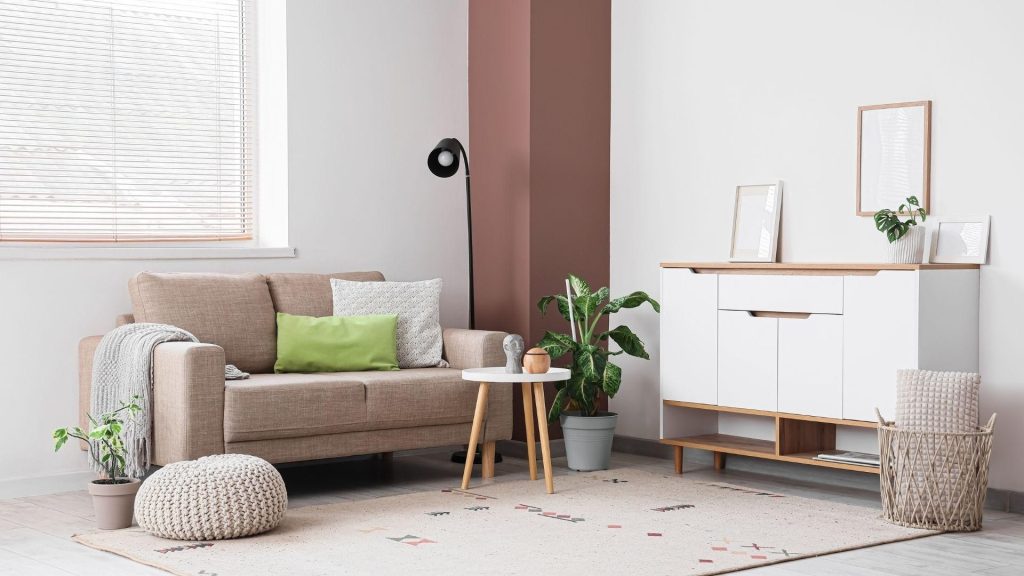
No. Personal property is not included in an appraisal report. Items such as above-ground pools and hot tubs, pool tables, free-standing swing sets, and countertop microwaves are generally considered personal property and are not included in the appraiser’s opinion of the home’s real estate value.
5. Does A Swimming Pool Add Value?
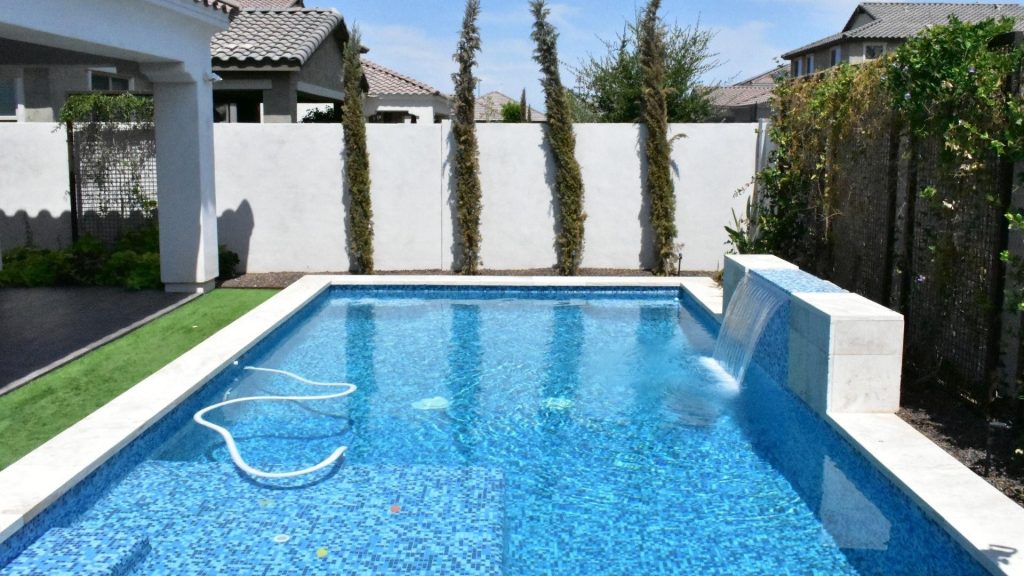
Yes, but not always dollar for dollar. Before spending $100,000 on a pool, consider how much that investment represents compared with the overall value of your home and what is typical for your neighborhood.
For example, if your home is worth $400,000 and you spend $100,000 on a pool, that’s 25% of the home’s value. That doesn’t mean your home will be worth $500,000 after the pool is installed. If the pool is significantly more expensive than what is typical for your neighborhood, you may be overimproving for the area.
Pool costs can also vary from one contractor to another. Get at least three bids and compare not just the price, but the quality of materials, construction, warranties, and reputation of the contractor.
Before you build, ask yourself: Will buyers in my neighborhood pay for the pool I’m building, or am I spending more than the market will recognize?
6. Does More Square Footage Always Add Value?
No. More space does not automatically mean more value.
A garage, storage area, or other unfinished space can contribute to a home’s overall value, but it generally does not count as living area in the same way as finished, livable space.
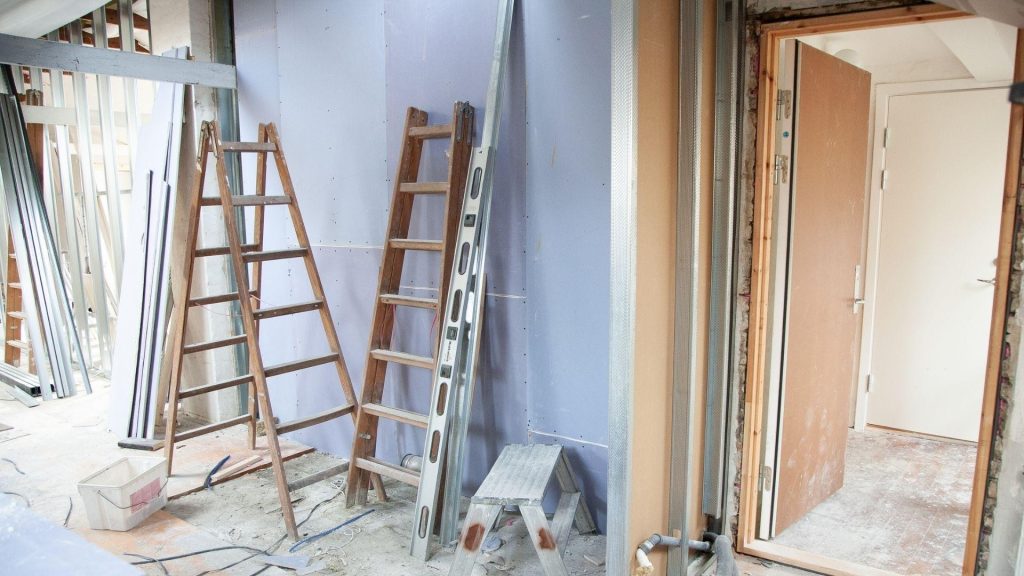
For square footage to be considered livable, it needs to have heating and cooling, insulation, finish, and overall usability. A space with exposed walls, no insulation, or no heating and cooling will not qualify as finished living area for a home appraisal.
And here’s something many homeowners don’t realize: “under-roof” square footage is not the same as living-area square footage. Just because a space is underneath your roof does not mean it should be included in the home’s reported living area.
When comparing homes or determining value, make sure you know what the square footage actually represents.
7. Will You Get Your 100% of Your Money Back On Home Improvements?
Not necessarily. What you spend on an upgrade is not always what the market will add to your home’s value.
For example, a tile that costs $50 per square foot will not necessarily add more value than a $15-per-square-foot tile. If the style, quality, and overall look are similar, and the upgrades are completed during the same time period, a large-format tile from Bedrosians could be just as appealing as a tile from Ann Sacks.
The lesson? Don’t assume the most expensive option will give you the highest return. Buyers value the overall look and quality of an improvement more than the price tag attached to the materials.
8. Does a New Roof Increase My Home Value?
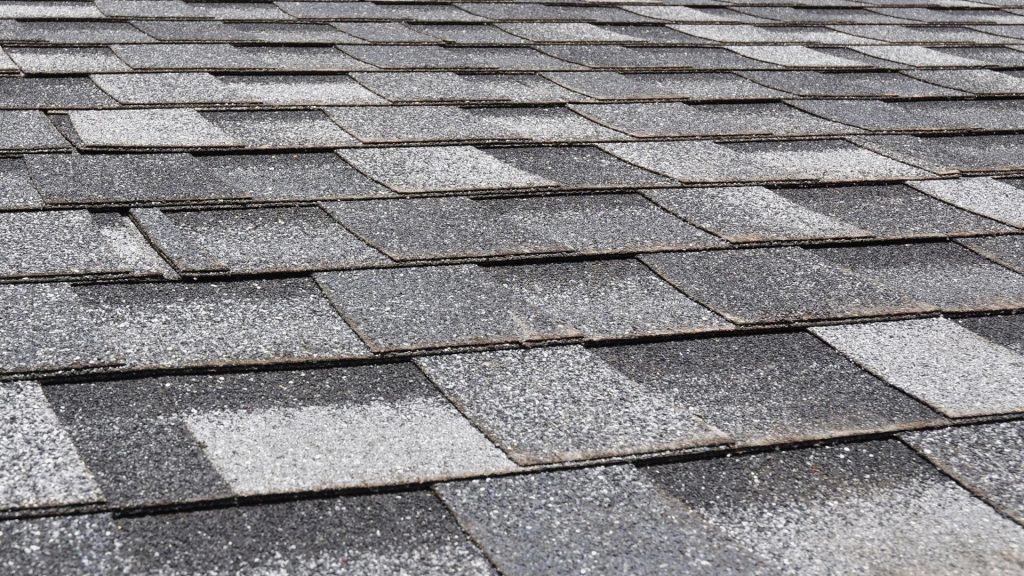
A new roof is vital. It protects your home and its value. But does a new roof actually add value to your home? Not necessarily.
So why replace it?
A roof in poor condition can scare away buyers, create inspection problems, and cause a contract to fall apart. I’ve seen homes make it to the inspection period only to lose the buyer because of an aging or damaged roof.
Issues such as mold, water damage, leaks, fountain issues, and other major repairs can quickly turn buyers away. And when a home falls out of contract, it can develop a “red flag” reputation. Future buyers may wonder what caused the previous deal to fall through and become more cautious about making an offer. Or, it can increase your days on market, causing your listing to become stale and more hidden on the MLS.
So, can an old roof make your home worth less? Yes, in an indirect way. A new roof may not add its full cost to your home’s value, but it can help protect the value you already have, keep buyers interested, and prevent costly problems during the sale.
9. Is My Home’s Assessor Value Accurate?
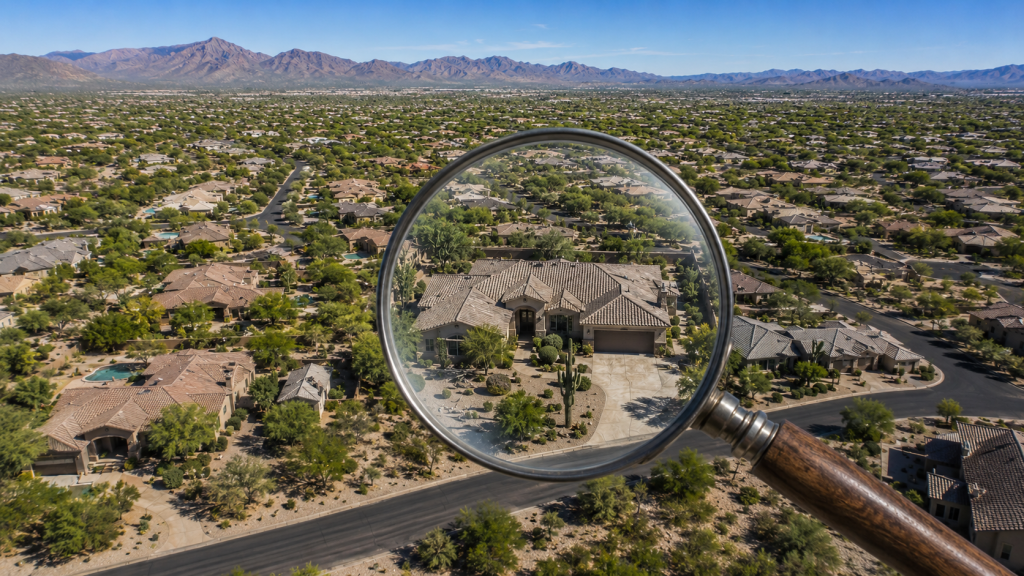
In Arizona, the value shown in your county assessor’s records is not the same as a professional appraisal of your home’s current market value. Assessor records are primarily used for property tax purposes and may contain outdated or inaccurate information about your home’s square footage, features, and improvements.
In our experience, the reported square footage is incorrect in more than 30% of the Arizona homes we appraise.
That matters because incorrect square footage can affect your home’s assessed value, property taxes, asking price, and perceived market value. A professional appraisal provides an independent measurement and valuation based on the property’s actual characteristics and current market conditions. Your assessor may show your home as smaller than it really is. That might help keep your property taxes lower, but it can hurt you when it’s time to determine your home’s true market value and the right asking price.
10. Date-of-Death Improvements: How Do They Impact Home Value?
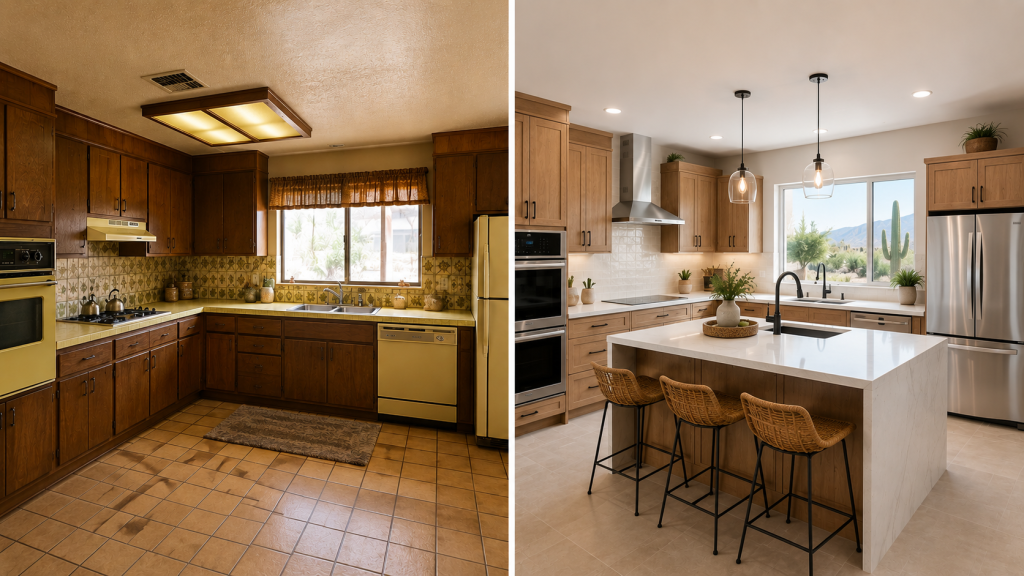
The home was remodeled after the date of death. Now what?
Renovations completed after the date of death are not included in the appraiser’s opinion of value for a date-of-death estate appraisal. That’s because an estate appraisal is retrospective—it determines what the property was worth as of the date of death, based on its condition at that time.
Even if the home was completely remodeled afterward, those improvements did not exist on the date being appraised and therefore cannot be used to increase the retrospective value.
Need the home’s current value instead?
If you want an appraisal that reflects the home’s current market value and recent renovations or upgrades, you can order a new appraisal based on today’s condition. Because some of the research and property information from the original appraisal may still be useful, a subsequent appraisal can often be less expensive.
What’s the main takeaway? Be average.